
 日本語
日本語 Tiếng Việt




What is Osteoarthritis?
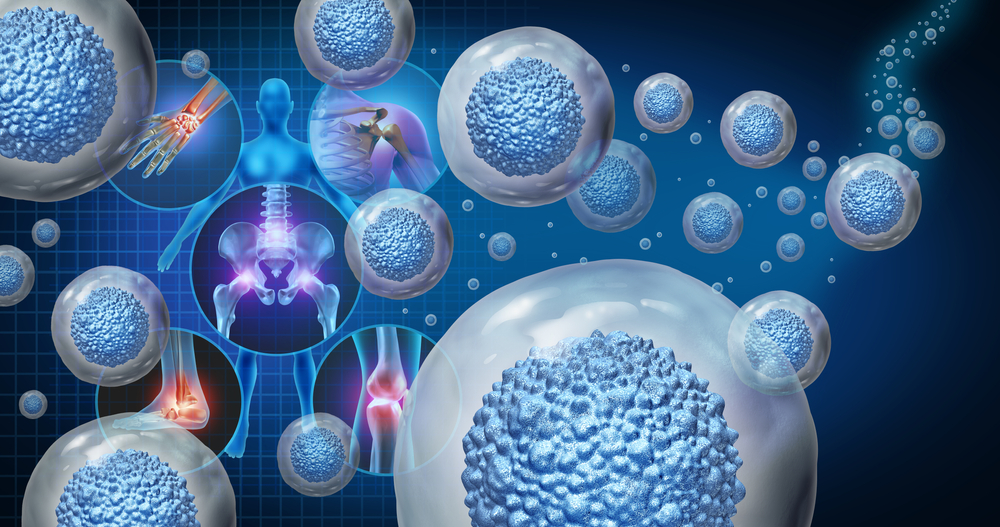
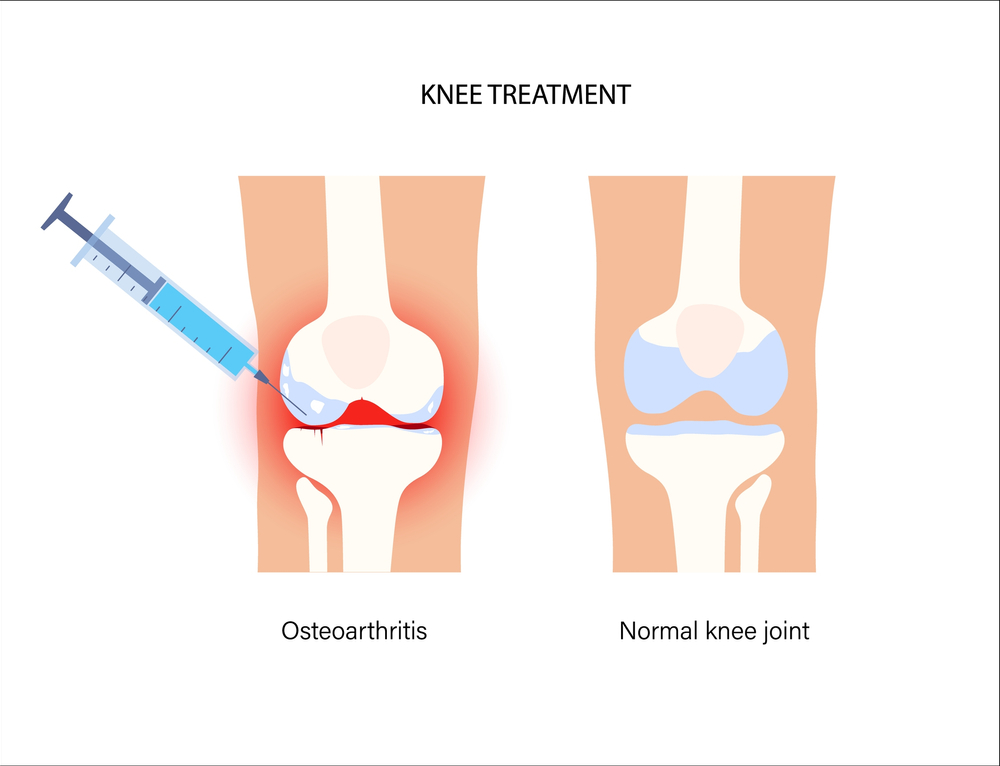
Osteoarthritis is a common chronic condition that directly affects the joints in the body, particularly those that bear significant weight such as the knee, hip, and spine. It occurs when the articular cartilage – the smooth tissue that covers and protects the bone ends – is damaged, worn down, or degenerates over time.
Articular cartilage acts as a cushion, reducing friction and ensuring smooth joint movement. When the cartilage degenerates, the bone ends rub against each other with every movement, leading to pain, inflammation, and stiffness. This condition not only reduces mobility but also significantly impacts the quality of life, especially when the disease progresses to a severe stage.
Osteoarthritis often begins subtly and progresses gradually. Early symptoms may include mild pain or stiffness in the morning, but without timely treatment, the disease can result in joint deformities or even a complete loss of function in the affected joint.
Stem Cell Applications in Osteoarthritis Treatment

Stem cell therapy for osteoarthritis is a modern medical approach. This method uses mesenchymal stem cells to repair joint damage. The process involves harvesting and culturing stem cells from sources such as bone marrow or adipose tissue. Afterward, the stem cells are directly injected into the affected joint.
Once inside the body, the stem cells are activated to help repair and regenerate damaged cells. This process not only helps reduce inflammation but also stimulates the regeneration of cartilage and improves joint function. Additionally, stem cells have the ability to regulate the immune system, reducing further damage caused by the inflammation associated with arthritis.
This method is highly regarded for its long-lasting effectiveness and minimally invasive nature. However, the treatment cost is quite high and should only be performed by medical experts at reputable institutions.
Stem Cell Therapy for Osteoarthritis
Using Autologous Stem Cells from Adipose Tissue

Autologous stem cell therapy for osteoarthritis is considered a groundbreaking advancement in modern medicine. The process begins with local anesthesia to ensure patient comfort. Then, a small amount of adipose tissue is harvested from the abdominal area, which is rich in stem cells.
This adipose tissue is processed in a sterile environment to isolate the stem cells. These cells are then mixed with a special solution containing growth factors. This critical step creates an optimal environment that promotes the activation and growth of the stem cells. Next, the mixture is activated using specialized laser light technology, significantly enhancing the regenerative capacity of the cells.
Once in an optimal state, millions of activated stem cells are injected directly into the affected joint. Not only does this method provide rapid pain relief, but it also stimulates cartilage regeneration, improving joint function and offering smoother, more flexible movements. This solution holds great promise in significantly improving the quality of life for patients.
Allogeneic Stem Cells from Umbilical Cord Tissue
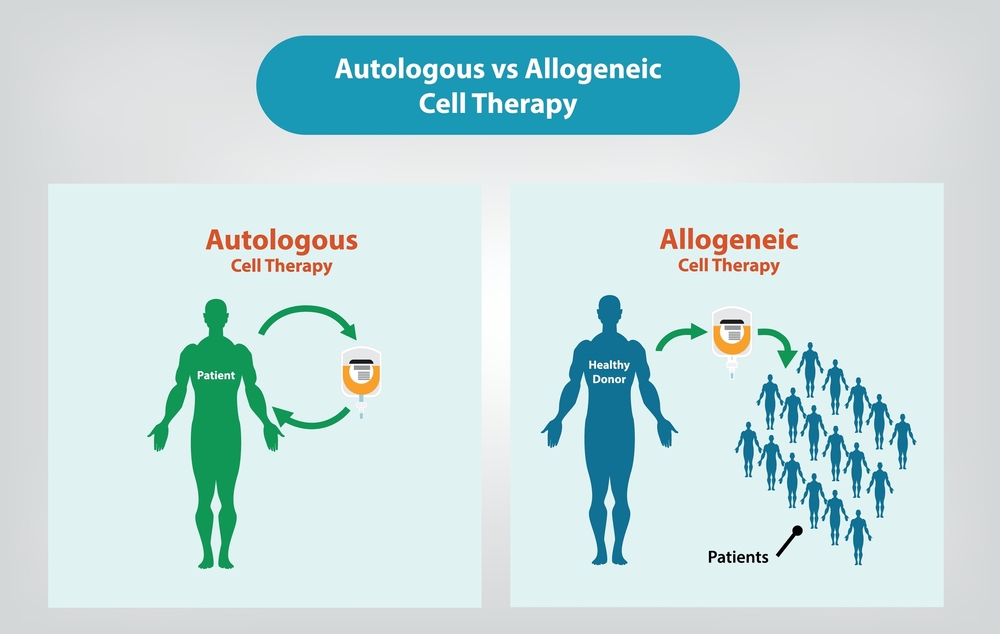
Allogeneic stem cells, often used in osteoarthritis treatment, are derived from a donor’s body. This solution is optimal in many cases, especially when the patient is not suitable for autologous stem cell use, such as in older adults or those with underlying conditions affecting cell quality.
The primary source of allogeneic stem cells is the umbilical cord or bone marrow from a donor. The umbilical cord, collected immediately after the birth of the baby, is a rich, safe, and promising source of stem cells. These cells are very young and capable of strong development, helping to stimulate the regeneration of damaged tissues effectively. Meanwhile, bone marrow from adult donors also provides high-quality stem cells, with a strong adaptability in treatment conditions.
These stem cells are meticulously processed in a modern laboratory environment, ensuring sterility and the highest quality. Before being introduced into the patient’s body, they are strictly tested to eliminate the risk of infection and ensure biological compatibility.
Principle of Stem Cell Therapy for Osteoarthritis Treatment
Stem cells are special cells with the ability to self-replicate and develop into various types of tissue. In the body’s natural mechanisms, when tissues or cells are damaged, stem cells automatically gather and move to the affected area to perform the repair function. At the site of injury, they produce healthy tissue to replace damaged cells.
Thanks to this unique ability, stem cells have been applied in medicine to regenerate and repair damaged parts of the body, including treating osteoarthritis. Specifically, since natural cartilage lacks stem cells, stem cells must be harvested from bone marrow or adipose tissue.
When directly injected into the joint, stem cells stimulate the process of reducing inflammation, repairing cells, and improving blood circulation. As a result, they help restore the damaged cartilage layer or create a new layer of cartilage that functions as a cushion protecting the joint. With this mechanism, stem cell therapy for osteoarthritis is considered an effective and groundbreaking solution, offering hope for restoring mobility for patients.
Tips to Optimize Stem Cell Treatment Effectiveness

Whether using autologous or allogeneic stem cell therapy, to achieve the highest treatment effectiveness, patients must strictly follow the doctor’s instructions and undergo regular check-ups. This allows the doctor to closely monitor health status and adjust the treatment method as necessary.
In addition, maintaining a healthy lifestyle plays an important role in supporting the recovery process. Patients should adopt a balanced, nutritious diet; engage in regular, moderate exercise; maintain an ideal weight; and minimize alcohol and tobacco consumption to protect overall health.
One point to note is that the regenerative capacity of stem cells decreases with age. As one grows older, the number of stem cells in natural tissues diminishes, making the process of culturing and multiplying stem cells more difficult and time-consuming. Therefore, storing stem cells at reputable medical facilities while still young is considered a smart solution, helping to prevent and optimize treatment effectiveness when needed in the future.
