
 日本語
日本語 Tiếng Việt



What is Cancer?
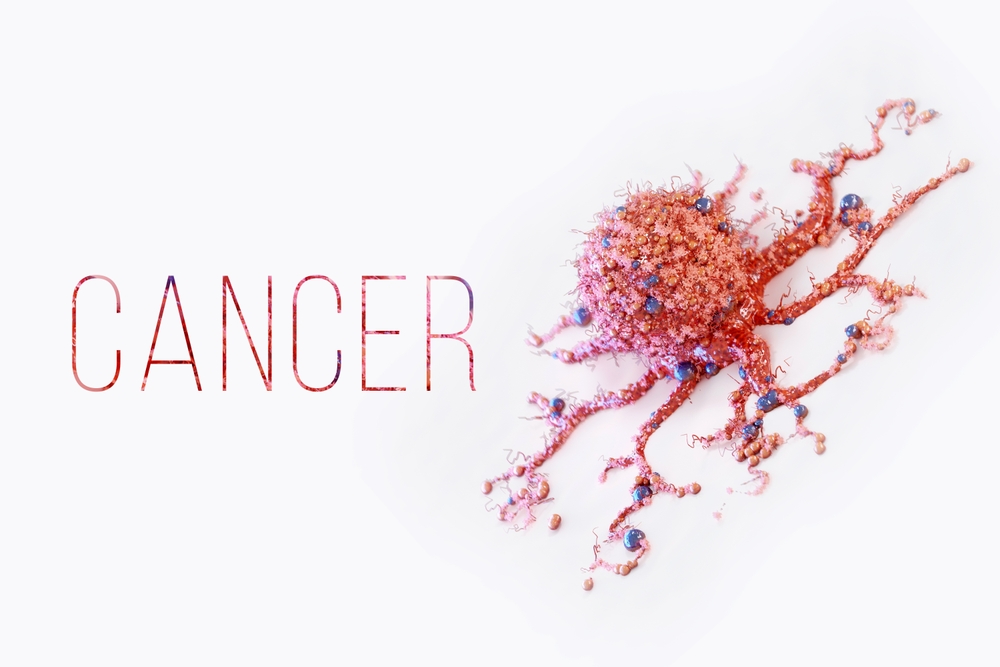
Cancer is a complex and dangerous disease that begins when cells in the body undergo abnormal changes. Instead of following the normal growth and death cycle like healthy cells, these cells grow uncontrollably, continuously dividing and forming tumors. Initially, these tumors may be confined to a specific area, but over time, cancer cells can invade surrounding healthy tissues, destroying their structure and function.
Not only that, cancer cells can metastasize, meaning they spread to other parts of the body through the lymphatic system or blood vessels. This process severely affects overall health and the function of various organs, causing life-threatening complications if not detected and treated in time.
The Mechanism of Stem Cells in Cancer Treatment
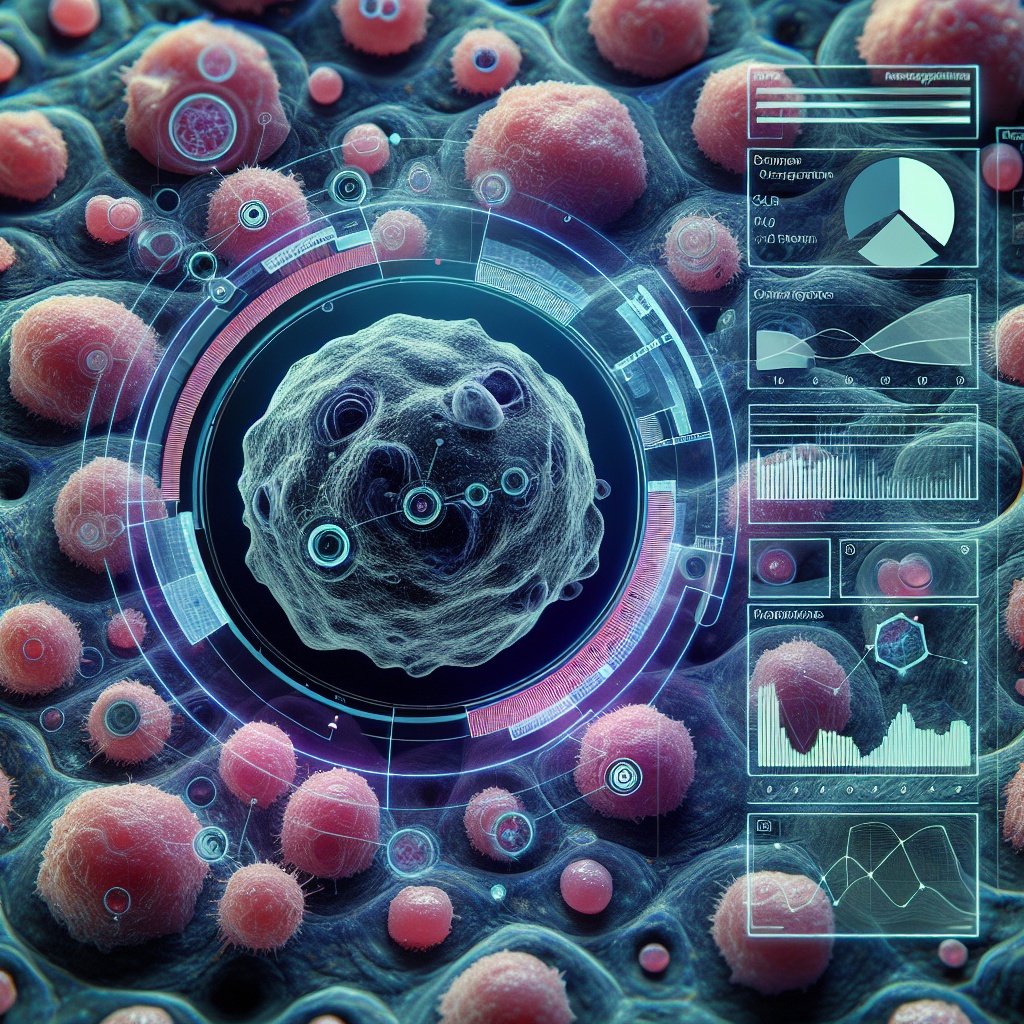
Chemotherapy and radiation therapy, two common cancer treatments, often have a strong impact on the body, not only killing cancer cells but also damaging stem cells in the bone marrow, where blood cells are produced. This can lead to a shortage of blood cells, causing immune system deficiencies and severely affecting the patient’s overall health.
Stem cells, with their ability to proliferate, migrate, and differentiate into various types, are applied in cancer therapy depending on their origin and characteristics. Therefore, stem cell transplantation plays a crucial role in cancer treatment. This method helps the body regenerate blood cells, restore immune system function, and improve the ability to fight disease. Stem cell transplantation not only supports patients in overcoming the severe side effects of treatment but also increases the chances of recovery and enhances the quality of life after treatment.
Indications and Contraindications for Stem Cell Transplantation

Indications
Hematologic cancers (accounting for 75% of cases):
- Acute myeloid leukemia (AML).
- Chronic myelogenous leukemia (CML).
- Acute lymphoblastic leukemia (ALL).
- Non-Hodgkin’s lymphoma.
- Myelodysplastic syndrome (MDS).
- Hemophagocytic lymphohistiocytosis (HLH).
- Chronic lymphocytic leukemia (CLL).
- Other blood disorders:
Hematopoietic disorders: bone marrow failure, immunodeficiency syndromes (such as Chediak-Higashi disease, severe combined immunodeficiency), autoimmune diseases.
Congenital red blood cell disorders: Thalassemia.
Congenital metabolic defects: mucopolysaccharidosis, carbohydrate metabolism disorders.
Contraindications
- Patients with progressing autoimmune diseases.
- Patients currently using immunosuppressive drugs.
- Patients with hematologic cancer involving T-cells or NK cells.
- Patients with active infections or severe underlying medical conditions.
Stem Cell Transplantation Process

Step 1: Examination and Pre-transplant Preparation
- Examination and Testing:
The patient will undergo clinical examination and several in-depth tests a few days before the transplant procedure. - Central Venous Catheter Insertion:
During hospitalization, the doctor will insert a catheter into a large vein in the chest to administer fluids, deliver stem cells, or easily draw blood for tests.
Step 2: High-Dose Chemotherapy and Radiation Preparation
- High-Dose Chemotherapy/Radiation:
- The patient will undergo high-dose chemotherapy, sometimes combined with radiation, to destroy damaged stem cells in the bone marrow.
- This process also helps suppress the body’s immune system to prevent it from attacking the newly transplanted stem cells.
- Treatment Cycles:
Some patients may need to undergo several cycles of chemotherapy before proceeding with stem cell transplantation.
Step 3: Stem Cell Transplantation
- Transplant Procedure:
- The stem cells are infused into the patient’s body through the central venous catheter, similar to a blood transfusion.
- The stem cells will migrate to the bone marrow and begin producing new blood cells (red blood cells, white blood cells, platelets).
- The transplantation process typically takes over an hour, including preparation time, the procedure itself, and post-surgery monitoring.
Post-surgery Notes: After the transplant, the patient will be closely monitored to ensure the body accepts the new stem cells and to detect any complications early if they occur.
Advantages and Disadvantages of Stem Cell Transplantation in Cancer Treatment

Advantages:
Supplementing Healthy Stem Cells:
- Helps regenerate and increase the number of important cells that have been diminished due to aging or illness.
Enhancing the Immune System:
- Not only aids in cancer treatment, but this therapy also helps improve the ability to fight disease, especially in those with weakened immune systems.
Advanced Therapy:
- Considered one of the most advanced anti-aging and health restoration solutions today, offering great hope in modern medicine.
Disadvantages:
Complex Preparation Process:
- Requires many in-depth tests and difficulties in finding a suitable stem cell donor.
- Patients must undergo prolonged chemotherapy or radiation therapy before the transplant.
Long-Term Side Effects:
- Although stem cell transplants can save lives, they also bring many challenges after treatment, such as:
- Damage to internal organs.
- Hormonal changes, affecting reproductive health (infertility).
- Neurological problems.
- Risk of developing secondary cancers.
High Treatment Costs:
- This is an expensive therapy, not everyone can afford it.
Stem cell transplantation offers numerous outstanding benefits, but it also comes with challenges and risks that should be carefully considered before proceeding.
