
 日本語
日本語 Tiếng Việt



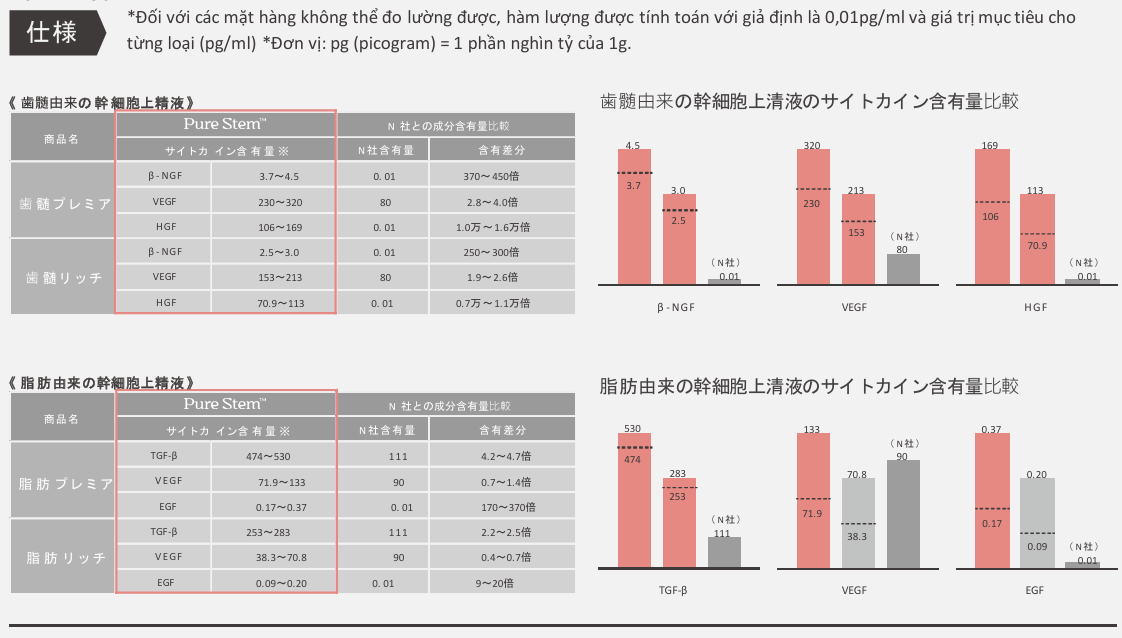
The selection of a suitable stem cell source is determined based on factors such as the intended purpose, safety level, accessibility, and effectiveness.
Stem cells are classified into various types based on their origin, such as embryonic, adult tissue, adipose tissue, or dental pulp.
In this article, we will analyze each stem cell source based on its collection site to provide you with an objective perspective on stem cells.
Typical Sources of Stem Cells

Stem cells can be derived from various sources in the body, such as Embryos (embryonic stem cells), Adult tissues (adult stem cells), Umbilical cord blood and placenta, and Induced pluripotent stem cells (iPS cells).
Embryonic Stem Cells:

Embryonic stem cells are collected from the blastocyst of in vitro fertilized eggs, with the donor’s consent. At this stage (3-5 days old), the embryo contains approximately 150-200 cells, forming a rich source of stem cells.
This type of cell belongs to the pluripotent group, capable of differentiating into any cell type in the body and self-renewing indefinitely.
Thanks to this exceptional capability, embryonic stem cells are widely used in medical research, such as regenerating damaged tissues, developing treatments for Parkinson’s disease, cancer, or testing the efficacy of new drugs.
Umbilical Cord Stem Cells

Umbilical cord stem cells are collected from various parts of the umbilical cord, such as Wharton’s jelly, perivascular cells, endothelial cells of the umbilical vein, amniotic membrane, chorion, and amnion. This is a rich and easily accessible source of stem cells without posing any harm to the mother or baby.
Umbilical cord stem cells belong to the multipotent group, with the ability to self-renew and differentiate into various types of mature cells, including nerve, muscle, liver, bone, cartilage, and kidney cells. These cells function through complex biological signaling, aiding in the regeneration and repair of damaged tissues.
Notably, umbilical cord stem cells exhibit high proliferation rates and stable long-term culturing capabilities, making them ideal for research and the treatment of complex conditions such as neurological diseases (Parkinson’s, Alzheimer’s), blood cancers, immune disorders, and cardiovascular diseases. This paves the way for significant advancements in regenerative medicine and cell therapy.
Bone Marrow Stem Cells
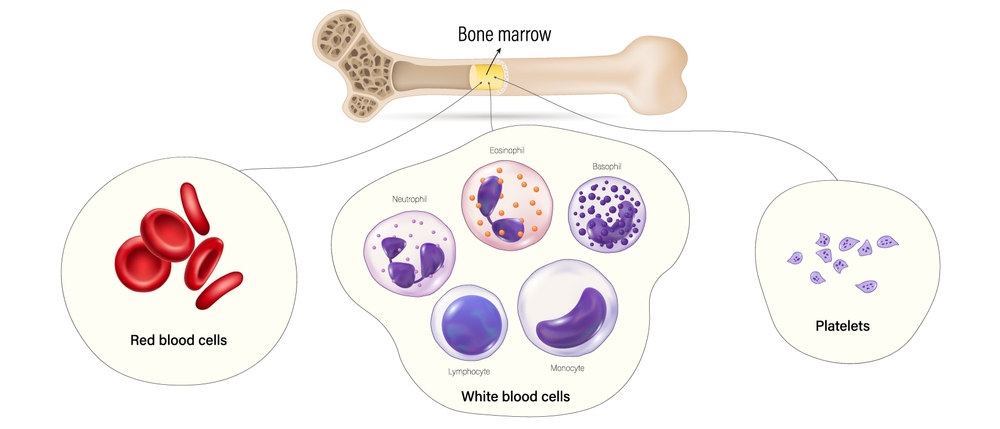
Bone marrow is a soft tissue located inside bones, classified into two main types: red marrow and yellow marrow. Red marrow contains hematopoietic stem cells, while yellow marrow primarily consists of mesenchymal stem cells.
Hematopoietic stem cells have the ability to differentiate into various blood cell types, such as red blood cells, white blood cells, and platelets. They play a crucial role in treating blood-related and immune system diseases, including acute and chronic leukemia, anemia, blood cancers, and vascular disorders.
Mesenchymal stem cells, on the other hand, can differentiate into various cell types, including bone, cartilage, fat, liver, muscle, and nerve cells. Additionally, they secrete factors that support anti-inflammatory responses, regulate the immune system, prevent fibrosis, and stimulate blood vessel formation. These properties make them applicable in treating diseases such as osteoarthritis, acute kidney injury, liver fibrosis, autoimmune diseases, and diabetes.
Adipose Tissue-Derived Stem Cells

Mesenchymal stem cells are present in the vascular system of stromal tissues in adipose areas such as the abdomen, thighs, buttocks, and internal organs.
Stem cells derived from adipose tissue belong to the multipotent group, capable of differentiating into various mesenchymal cell types, including bone, cartilage, fat, muscle, tendons, skin, liver, heart, and nerve cells. In laboratory settings, they can also develop into specialized cells like insulin-producing cells.
A notable feature of adipose-derived stem cells is their strong immunosuppressive ability, as they lack the expression of Major Histocompatibility Complex Class II (MHC II) and some other immune-activating molecules, giving them an advantage over bone marrow-derived stem cells in this role. They also produce biological factors that regulate immunity, prevent cell death, stimulate angiogenesis, and repair damaged tissues.
Due to these superior properties, adipose-derived stem cells are used to treat conditions such as osteoarthritis, osteoporosis, arthritis, diabetes, and autoimmune disorders like multiple sclerosis.
Mesenchymal stem cells are present in the vascular system of stromal tissues in adipose areas such as the abdomen, thighs, buttocks, and internal organs.
Peripheral Blood-Derived Stem Cells
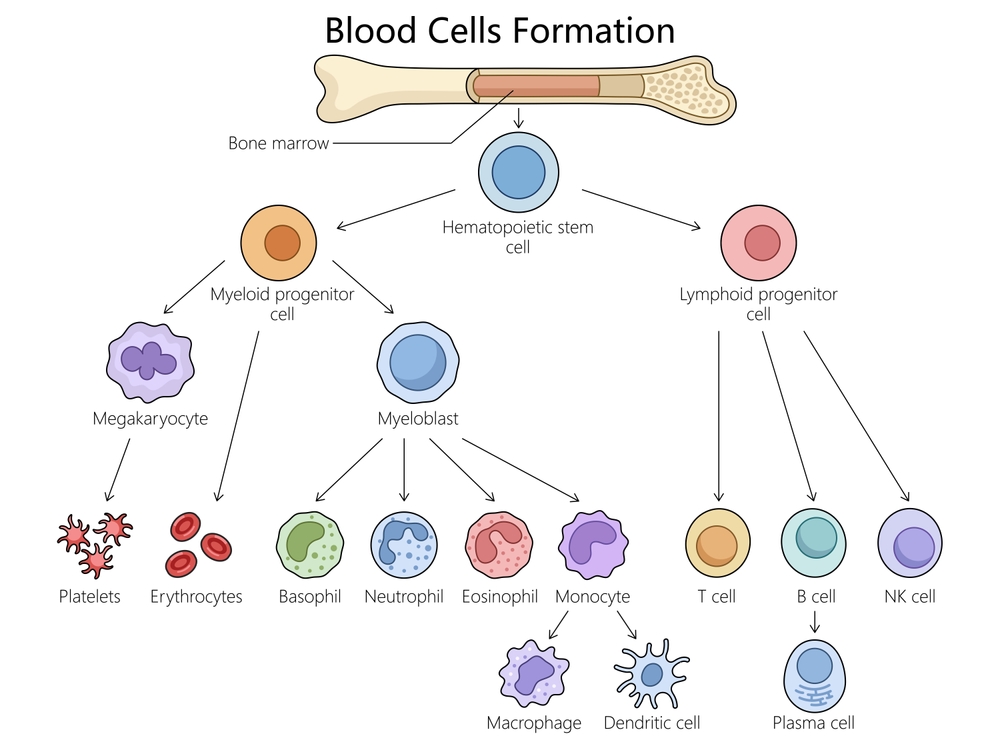
Hematopoietic stem cells are produced in the bone marrow and participate in circulation throughout the body before returning to the marrow. During their circulation in peripheral blood, technicians can collect these stem cells for medical use.
The unique feature of hematopoietic stem cells is their ability to differentiate into various essential blood cells such as red blood cells, white blood cells, and platelets, along with their capacity for unlimited self-renewal. These properties make them invaluable tools in treating serious conditions, including chronic myeloid leukemia, non-Hodgkin’s lymphoma, aplastic anemia, immune deficiency syndrome, and autoimmune diseases.
These cells not only help regenerate the hematopoietic system but also assist in restoring the health of patients with severe diseases, offering new opportunities for many individuals.
Common Stem Cell Collection Methods

Depending on the location where the stem cells need to be collected, the doctor will choose one of the following methods:
- Bone Marrow Aspiration: The doctor will administer general anesthesia, then use a long needle to collect stem cells from the bone marrow in the hip or pelvic bone. The stem cells are then separated and isolated for storage or use.
- Peripheral Blood Stem Cell Collection: A stimulating drug is injected into the donor or patient to induce the bone marrow to release stem cells into the blood. The blood is then collected and passed through a centrifuge to separate the stem cells from the peripheral blood.
- Umbilical Cord Blood Collection: After birth, blood from the umbilical vein is collected into a sterile blood bag containing an anticoagulant. The sample is transferred to a stem cell bank, where the stem cells are separated and preserved in liquid nitrogen conditions.
- Abdominal Fat Tissue Collection: The doctor performs a surgical procedure to collect fat tissue from the abdomen, then uses an enzyme solution to separate and extract the stem cells.
Most of these methods are performed under local anesthesia or general anesthesia, ensuring safety and effectiveness. However, there are still some small risks, such as pain, bleeding, or the risk of infection.
—–
AI LAB DOCTOR
Institute of Smart Cell-Level Rejuvenation
Website: https://ailab-doctor.com
