
 日本語
日本語 Tiếng Việt



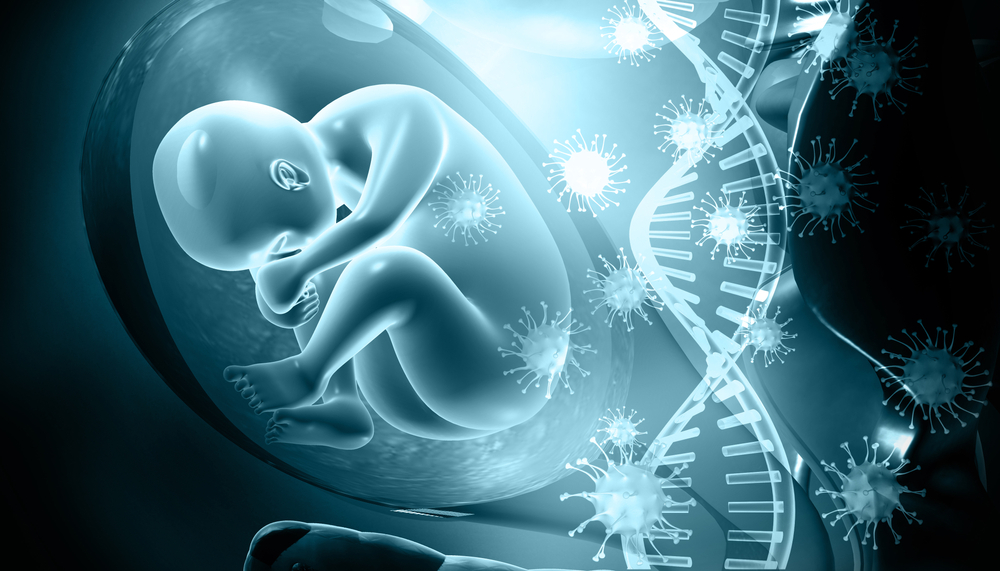
Placental stem cells are becoming a focal point of research in the field of regenerative medicine due to their unique ability to regenerate, repair, and improve the function of damaged tissues and organs. Originating from the placenta – a valuable yet often overlooked biological resource – these cells offer many advantages, such as high adaptability, low rejection risk, and no ethical controversies compared to other stem cell sources. AiLab Doctor also explores this valuable biological resource in the article below.
What Are Placental Stem Cells?
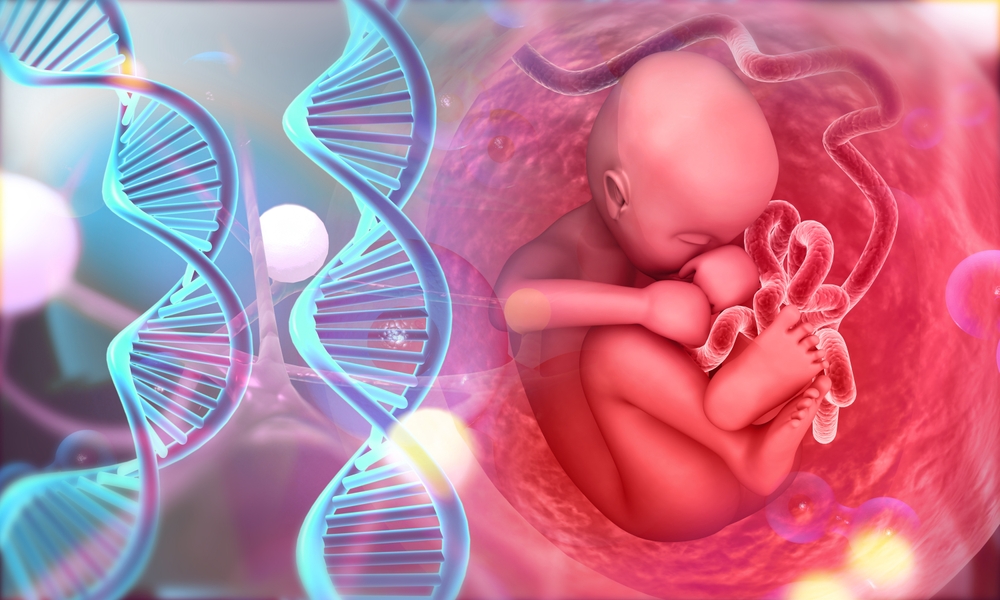
Placental stem cells (also known as placental stem cells) are cells extracted from the tissue or blood of the placenta after the baby is born. The placenta, which firmly attaches to the uterus throughout pregnancy, not only plays a role in providing nutrients to the fetus but also regulates the mother’s immune system, creates an ideal environment for fetal development, and secretes hormones to maintain the physiological balance between mother and baby.
Formed from extra-embryonic stem cells, the placenta contains many important types of cells such as epithelial cells, trophoblast cells, and hematopoietic cells. This is a rich source of two highly valuable stem cells: hematopoietic stem cells (HSC) and mesenchymal stem cells (MSC), widely distributed in the amniotic membrane, chorion, and villous chorion of the placenta. These unique characteristics make placental stem cells a valuable resource, opening up many prospects in regenerative medicine and disease treatment.
Key Characteristics of Placental Stem Cells

Placental stem cells, originating from a crucial structure in pregnancy, possess many outstanding characteristics, increasing their value in research and medical applications. Below are the prominent characteristics of placental stem cells:
Multilineage Differentiation Potential
Placental stem cells have the potential to differentiate into various cell types in the body, such as nerve cells, heart muscle cells, cartilage cells, bone cells, and fat cells. This ability makes them ideal candidates for tissue and organ regeneration therapies, particularly in degenerative diseases or severe injuries.
Abundant and Accessible Supply
The placenta, often discarded after birth, contains a large quantity of abundant stem cells. The stem cells in the placenta include two main types: hematopoietic stem cells (HSC) and mesenchymal stem cells (MSC), which are found in various regions such as the amniotic membrane, amniotic sac, and chorionic villi. Harvesting these cells does not affect the mother or the baby, and there are fewer ethical issues compared to using stem cells from embryos.
Unique Immune Regulation
Placental stem cells possess unique immune-regulating capabilities, helping to minimize the risk of rejection when transplanted into the patient’s body. They can modulate immune responses, prevent infections, and assist in the healing process, especially in cases of extensive tissue damage.
Anti-inflammatory Properties and Tissue Repair Support
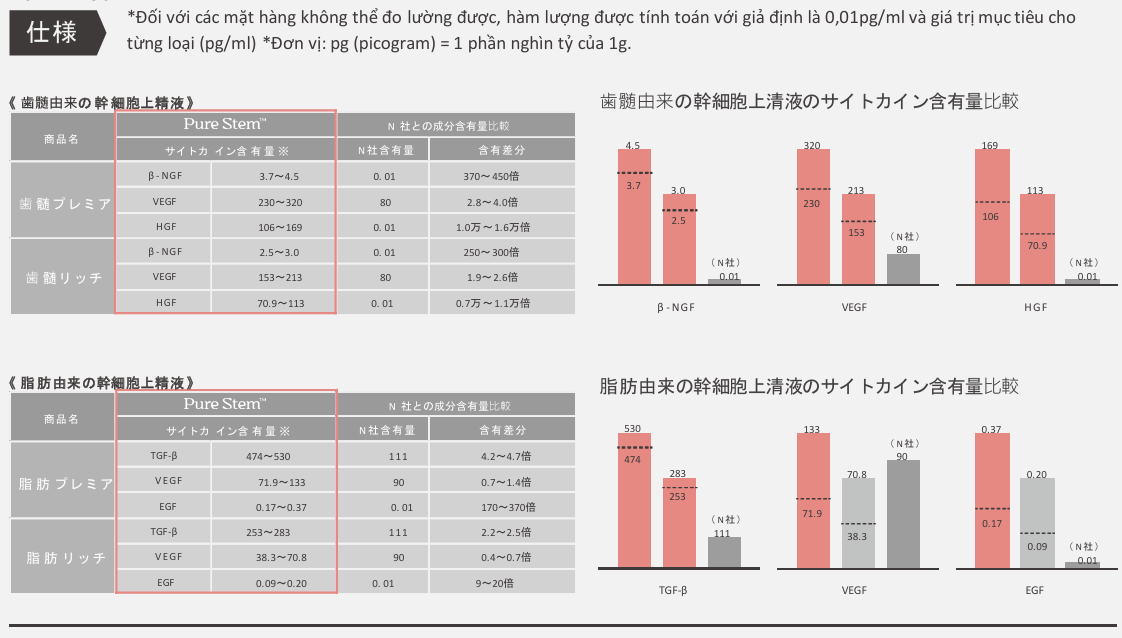
One of the important characteristics of placental stem cells is their ability to secrete growth factors, cytokines, and supporting proteins. These substances help reduce inflammation, prevent widespread damage, and support the repair and regeneration of damaged tissues. Additionally, they have the ability to counteract fibrosis, slowing the progression of chronic diseases such as cirrhosis, pulmonary fibrosis, and cardiomyopathy.
Strong Self-renewal Ability
Placental stem cells have exceptional self-renewal capabilities, helping to maintain a stable number of cells over time. This is particularly important in long-term treatment therapies or when large numbers of cells are required to treat complex diseases.
Safety, Low Ethical Controversies
Because they are obtained from the placenta – a natural product of childbirth – the use of placental stem cells does not raise ethical concerns, unlike embryonic stem cells. This significantly reduces legal and societal barriers in research and application.
Easy to Store and Widely Applicable
Placental stem cells can be stored long-term using cryopreservation technologies without losing their biological properties. This allows them to be readily available for use at any time, expanding their potential applications in the treatment of various acute and chronic diseases, as well as in aesthetics and anti-aging fields.
Applications of Placental Stem Cells

Modern medicine has been harnessing the tremendous potential of placental stem cells to treat complex diseases, offering new hope for many patients worldwide. Key applications include:
Treatment of Blood Disorders and Autoimmune Diseases
Hematopoietic stem cells (HSC) from the placenta have the ability to regenerate all blood cell lines, including:
- Myeloid line: Includes monocytes, macrophages, neutrophils, basophils, eosinophils, red blood cells, platelets, and fibroblast-like cells.
- Lymphoid cells: Includes T cells, B cells, and natural killer (NK) cells.
Thanks to this ability, placental stem cells are used in the treatment of blood disorders (such as anemia and leukemia) and autoimmune diseases (such as lupus and rheumatoid arthritis).
Cell Regeneration and Anti-aging Therapy
Mesenchymal stem cells (MSC) and trophoblast cells from the placenta secrete numerous growth factors and cytokines that can:
- Promote cell regeneration and tissue repair.
- Be applied in anti-aging therapies, improving skin health and addressing age-related functional decline.
- Support the treatment of neurological disorders and immune-related diseases.
Cardiovascular Disease Treatment
Researchers have discovered a group of placental stem cells expressing Cdx2, which can migrate to damaged areas in the mother’s heart tissue and differentiate into heart and blood vessel cells.
- Cdx2 cells play a critical role in repairing damaged heart tissue, particularly in patients with myocardial infarction.
- This represents a breakthrough in using placental stem cells to treat cardiovascular diseases, offering hope for patients with heart damage that cannot be repaired by traditional methods.
Diabetes Treatment and Kidney Protection
Mesenchymal stem cells from the placenta have the potential to differentiate into pancreatic beta cells – the cells responsible for insulin production:
- Beta cell regeneration helps support the treatment of diabetes, especially type 1 diabetes.
- Animal studies have shown that placental stem cells can prevent kidney damage associated with diabetes, opening a new approach for treating serious complications of this disease.
Placental stem cells are a promising medical resource with many applications in the treatment of blood, autoimmune, neurological, cardiovascular diseases, as well as in anti-aging and tissue regeneration therapies. These advancements not only enhance the quality of treatment but also open opportunities to improve the lives of millions of patients worldwide.
—–
AI LAB DOCTOR
Institute for Intelligent Cell-level Rejuvenation
Website: https://ailab-doctor.com
